Pack Light, Trek Safe: High-Altitude Hydration
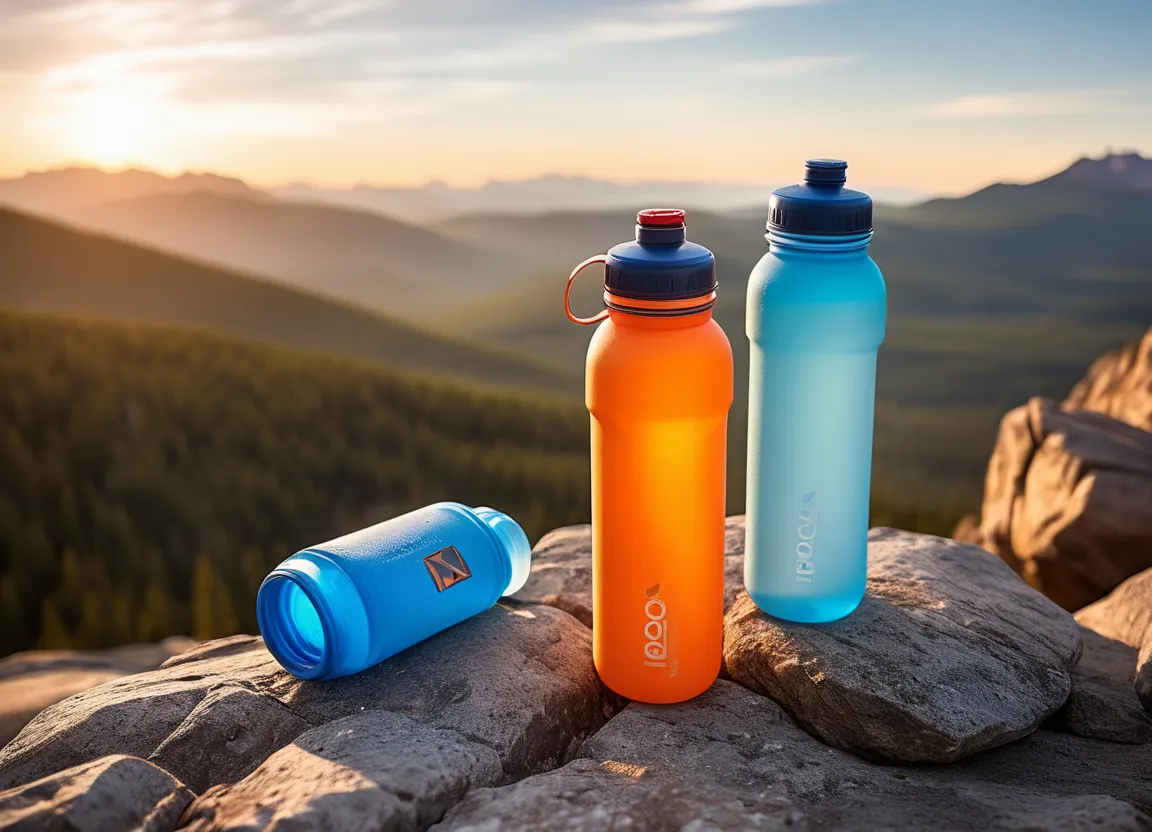
Trekking above the timberline introduces severe physiological changes. As air pressure falls, the availability of oxygen molecules declines, causing respiratory rates to multiply. This rapid breathing accelerates moisture evaporation from the lungs. Here is our medical guide on staying hydrated during steep climbs.
Understanding Elevation Dehydration
At 3,000 meters, you exhale twice as much moisture as you do at sea level. Because cold mountain air holds less humidity, sweat evaporates almost instantly, often leaving climbers unaware of their fluid losses. The kidneys compensate for lower oxygen by discharging bicarbonate, which further increases fluid requirements.
"Dehydration is the primary trigger for acute mountain sickness. Drink before you feel thirsty; once headache sets in, your cells are already starving."
The Electrolyte Equilibrium
Drinking pure snowmelt water in large volumes can dilute your body's sodium levels, causing a dangerous state called hyponatremia. Always dissolve mineral tablets or organic salts in your trail flask. Aim for a regular intake of 4 liters per day on active climbing tracks.
Practical Tips for Winter Treks
In sub-zero temperatures, water tubes on hydration packs freeze instantly. Keep insulated metal flasks inside your backpack close to your body heat. Keep warm tea or miso broths in your camp tent to ease night-time rehydration.
